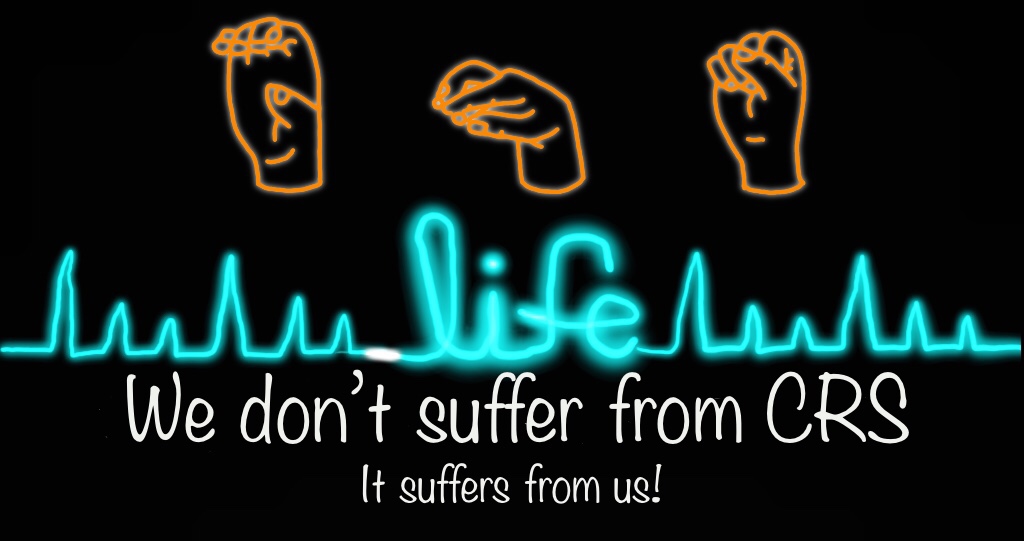
Although Rubella is also known as German Measles, it’s actually a different virus totally unrelated to Measles. If contracted, symptoms are usually mild, cold-like symptoms. However, it can be spread one week before symptoms are present and it’s still easily spread one week after symptoms subside. A baby born with CRS can spread the virus up to one year after birth.
It’s not the symptoms of Rubella which are dangerous. The danger occurs in an unborn foetus when a pregnant women contracts the virus. This is why vaccination is important.
If the foetus survives and the mother gives birth, the baby can be born with a heart defect, hearing and sight loss, bone problems and neurological issues. If rubella is contracted during the first trimester of pregnancy, there’s up to 90% chance the baby will be born with these conditions. This collection of defects and disabilities is known as Congenital Rubella Syndrome.
The first Rubella vaccine became available in 1969. In 1979 it was replaced by an improved live version of the vaccine. This version is used today in the MMR (Measles, Mumps and Rubella) vaccine. There’s also an MMRV (Measles, Mumps, Rubella and Varicella) vaccine which includes protection against Chickenpox.
According to the CDC, these vaccines are 97% effective and 100% safe.
In 2004 the U.S declared Rubella to be eliminated from the country. As of 2010, 131 countries include the Rubella vaccine in their national immunization program. however, Rubella is still present in many countries. It’s estimated that there are over 100,000 cases of Congenital Rubella Syndrome each year.
Source: historyofvaccines.org
 CRS Life